That's why protein is especially important for women over 35


author
Julia Müller
Published
April 8, 2026
Table of contents
Women 35 and older: Why protein matters now
Did you know that women start losing up to 1% of their muscle mass every year starting in their mid-30s? That might not sound like much—but it really adds up. And for women, muscle loss happens even faster than it does for men. That’s why, once you turn 35, plant-based protein isn’t just a nice-to-have—it’s a real must.
Many people still think that protein shakes are only for bodybuilders. Wrong! Especially for us women over
At age 35, they are extremely important—for muscles, bones, and metabolism.
What actually happens in our body?
You used to be able to go two weeks without doing any sport - and nothing changed. But the older we get, the harder it is to maintain or build muscle.
The reason:
Starting at age 30, we lose muscle mass—a little bit every year.
Our body is less able to utilize protein from food.
For us women, this change happens even faster due to hormones.
The consequences:
Less energy in everyday life— , even climbing stairs or carrying groceries takes more effort.
More fatigue— —you feel exhausted more quickly.
Your metabolism slows down —you burn fewer calories and gain weight more easily.
Higher risk of bone problems and injuries— because muscles protect your joints and bones.
Energy Metabolism & Weight - Cravings & Constant Snacking: Proteins aren't just food. They're essential for long-lasting fullness
Weight gain - When protein is lacking, the body tends to break down muscle and store fat instead.
Hormonal disorders - Proteins provide the building blocks for hormones (e.g., LH, FSH, thyroid hormones).
Difficulties Losing Weight - Especially after age 35, when our hormones change, a protein deficiency can exacerbate metabolic problems.
Why are muscles so important?
Muscles aren't just for working out—they keep us strong, stable, and full of energy. At the same time, they support your metabolism: since muscles burn energy even at rest, you burn calories even while you sleep.
What really helps?
Strength training —whether using weights or bodyweight exercises (squats, planks, lunges).
More protein —because without protein, your body can't build muscle.
How much protein do women over 35 really need?
The short answer: More than most people think.
The standard recommendation of 0.8 grams of protein per kilogram of body weight is simply too low for women over 35. Why? Because it doesn’t take into account important factors such as muscle loss, hormonal changes, and an active lifestyle .
Protein requirements when losing weight
If you want to lose weight, increasing your protein intake is key. Studies show that 1.2–1.6 grams of protein per kilogram of body weight is optimal for weight loss (1).
Protein fills you up for longer and prevents cravings.
Your body burns more calories digesting protein than fat or carbohydrates.
A high protein content protects your muscles in a calorie deficit.
👉 Example: A woman weighing 70 kg should eat about 85–110 g of protein per day to lose weight.
Protein requirement to maintain weight
If you want to maintain your current weight and muscle mass, a protein intake of 0.8–1.0 grams per kilogram of body weight is sufficient.
Not very active? → Rather at the lower end.
Sporty and active? → Rather at the top end.
This ensures that your body gets enough protein for recovery, repair, and muscle maintenance .
Protein requirement for muscle building
The recommendations for building muscle are similar to those for weight loss: 1.2–2.2 grams per kilogram of body weight.
However, for your muscles to grow, you need not only enough protein but also enough calories overall.
👉 Example: A woman weighing 70 kg should consume 100–150 g of protein daily to build muscle.
The rule of thumb for women over 35
Basic requirement (to maintain weight): 1 .0 –1.2 g/kg
Weight Loss & Muscle Maintenance: 1 .2–1.6 g/kg
Active women (sports, lots of exercise): 1 .6 –2.0 g/kg
Muscle building: up to 2.2 g/kg
Protein timing: distribution is everything
Your body can only optimally utilize a limited amount of protein per meal. That’s why it makes sense to spread your protein intake throughout the day—ideally 25–30 grams of protein per meal. This keeps your blood sugar and appetite stable, keeps your metabolism going, and ensures your body has a steady supply of building blocks for muscles, hormones, and energy.
Practical examples of 25–30 grams of protein per meal
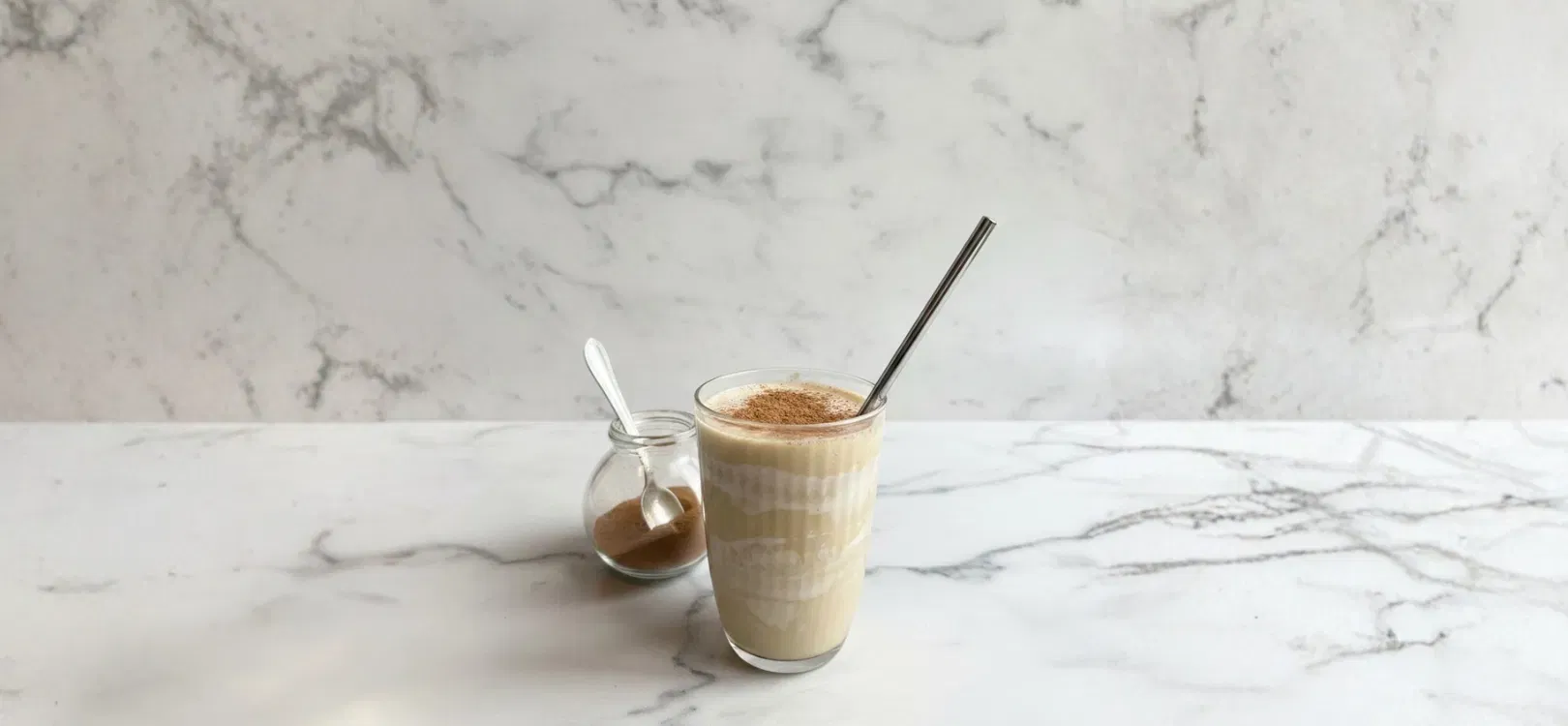
Breakfast: Protein shake with PROTEIN 35+ Aktiv (3 scoops = 20g), plus 200g soy yogurt (12g) and a few nuts → approx. 30g
Lunch: Quinoa salad with 150 g chickpeas (12 g) + 100 g tofu (10 g) + vegetables → approx. 25 g
Dinner: Roasted vegetables with 150g of lentil pasta (25g) → approx. 25g
Conclusion
Women over 35 need significantly more protein than the old recommendations suggest. Whether you're trying to lose weight, maintain muscle, or build muscle—a conscious focus on protein intake is crucial for your health, energy, and performance.